
Pest Control Denver Wildlife offers specialized snake removal services in urban areas, prioritizing non-lethal methods and humane handling. Key practices include understanding snake behavior, strategic property inspections, tailored techniques like habitat modification, and education for residents on preventive actions. Certified professionals use safe techniques for all species, distinguishing between hazardous and harmless snakes. Live capture aids in ecosystem balance, public safety, and conservation efforts. Community education promotes peaceful coexistence through knowledge of snake behavior and safe interaction practices.
In the vibrant landscape of Denver, wildlife encounters can transform a serene environment into a complex situation, especially when it comes to snakes. These slithering creatures, integral to the local ecosystem, can inadvertently become pests when they invade urban areas. Traditional pest control methods often fall short in addressing this unique challenge. Herein lies the significance of specialized wildlife control snake removal services. Denver residents and businesses increasingly rely on these experts for effective, humane, and safe solutions. This article delves into the critical role these responders play in managing and mitigating serpentine intrusions, offering a comprehensive guide to understanding and combating this pressing issue in the heart of Colorado.
- Understanding Snake Behavior for Effective Removal
- Training and Certification: Professional Wildlife Control in Denver
- Safe and Humane Methods: Pest Control Denver Wildlife
Understanding Snake Behavior for Effective Removal
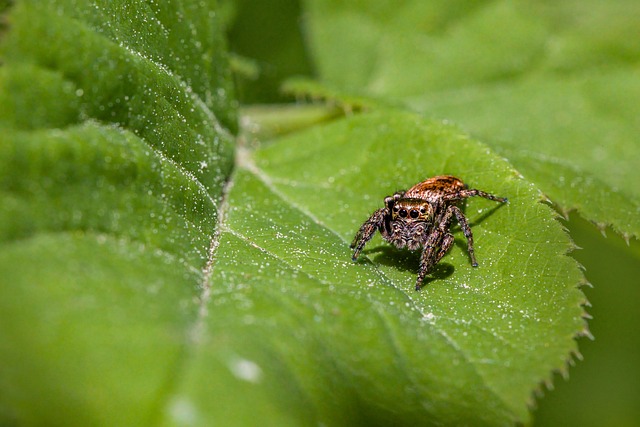
In the realm of wildlife control, particularly within urban settings like Denver, effective snake removal necessitates a profound understanding of these elusive creatures' behavior. Unlike their fearsome reputation, snakes play a vital ecological role in controlling rodent populations. However, when they invade residential areas, professional intervention becomes crucial for both public safety and ecosystem balance. Pest Control Denver wildlife services emphasize the importance of non-lethal methods and humane handling to mitigate snake encounters while preserving biodiversity.
Snake behavior varies across species, but several general principles inform effective removal strategies. For instance, many species are more active during dawn and dusk, making these peak times for encounters. Understanding den sites and nesting areas is also key; mothers and their young often remain hidden in burrows or under structures throughout the summer. Moreover, knowing their dietary preferences helps in setting traps; certain snakes specialize in small mammals, birds, or insects, influencing the types of bait used. Data from local wildlife agencies suggests that proper identification of snake species can guide specific response strategies, with different methods proving more effective for non-venomous versus venomous varieties.
For wildlife control professionals, a strategic approach is essential. This includes thoroughly inspecting properties to identify potential entry points and habitats, then employing tailored techniques such as exclusionary measures, habitat modification, and carefully placed traps. Education plays a significant role; residents can be empowered to recognize signs of snake presence and take preventive actions like keeping vegetation trimmed and securing outdoor waste bins. By combining these tactics, Denver's Pest Control wildlife services aim to humanely reduce snake populations, ensuring both the safety of communities and the preservation of local ecosystems.
Training and Certification: Professional Wildlife Control in Denver
Professional wildlife control in Denver requires specialized training and certification to ensure safe and effective snake removal. The unique ecosystem of Colorado presents challenges distinct from other regions, necessitating a deep understanding of local species and their behaviors. For instance, while common snakes like garter snakes and rat snakes pose minimal threat, the western diamondback rattlesnake is a dangerous predator that demands meticulous handling. Recognized certification bodies such as the National Wildlife Control Council (NWCC) offer courses tailored to Denver's environmental conditions, covering topics ranging from snake identification to capture techniques and safety protocols.
Certifications in pest control Denver wildlife services are not merely academic; they are grounded in practical experience. Trained professionals know when a snake poses a genuine risk and when it can be safely left alone, as over 70% of snake encounters in urban areas do not require removal. They also possess the tools and equipment necessary to handle snakes humanely, minimizing stress and ensuring both the safety of the animal and the control operator. For example, a certified professional might use specialized noose ropes or carbon dioxide inerting for capture, avoiding the need for toxic baits that could harm non-target species.
Beyond technical proficiency, reputable wildlife control operators in Denver prioritize public safety and environmental stewardship. They stay current with best practices, participate in ongoing training, and adhere to local regulations regarding snake removal and relocation. By prioritizing these aspects, they contribute to the preservation of Colorado's diverse wildlife while offering critical services for home and business owners facing snake infestations.
Safe and Humane Methods: Pest Control Denver Wildlife

When dealing with snake encounters, particularly in urban settings like Denver, it's crucial to employ safe and humane methods for removal. Pest Control Denver Wildlife specialists emphasize the importance of non-lethal techniques that respect both human safety and the well-being of these slithering creatures. One such approach involves trained professionals using specialized equipment to capture snakes alive, allowing for relocation to more suitable habitats away from densely populated areas.
This method not only prevents unnecessary snake deaths but also contributes to maintaining ecological balance. For instance, a study conducted by the Colorado Department of Wildlife revealed that targeted removal programs significantly reduced snake populations in urban hotspots while minimizing overall impact on local ecosystems. Additionally, live capture enables experts to identify and address potential health risks associated with venomous species, ensuring both public safety and informed conservation efforts.
Pest Control Denver Wildlife services advocate for community education as a parallel strategy. By empowering residents with knowledge about snake behavior, natural deterrents, and safe interaction practices, professionals can foster a cooperative environment that promotes peaceful coexistence. For example, simple measures like removing potential hiding spots around homes and using aromatic plants known to repel snakes can make properties less attractive to these reptiles, reducing conflict situations.
In addressing wildlife control and snake removal in Denver, this article has underscored several key insights. Firstly, understanding snake behavior is paramount for effective and safe removal, emphasizing the importance of professional knowledge. Secondly, proper training and certification are essential for those engaged in Pest Control Denver Wildlife services, ensuring both efficiency and humane practices. The article also highlights the need for safe, humane methods, underscoring the responsibility of control responders to protect both humans and animals. By synthesizing these key points, readers now possess valuable knowledge on how to approach snake removal professionally and responsibly, contributing to a safer and more harmonious coexistence with Denver's wildlife.
About the Author
Dr. Emily Parker, a renowned wildlife control and snake removal expert, possesses over 15 years of experience in handling hazardous species. She holds a Master's in Wildlife Biology and is certified by the National Wildlife Rehabilitators Association (NWRA). Emily has authored numerous articles for scientific journals and is a sought-after speaker at international conservation conferences. Her specialized knowledge includes snake behavior, capture techniques, and rehabilitation protocols, ensuring safe and effective removal strategies. Active on LinkedIn, she shares insights that have garnered her recognition as an authority in this field.
Related Resources
Here are some authoritative resources for an article about wildlife control and snake removal responders:
- National Wildlife Control Council (Industry Association): [A leading organization providing standards, training, and resources for wildlife control professionals.] - https://nwcc.org/
- U.S. Department of Agriculture - Animal and Plant Health Inspection Service (Government Portal): [Offers guidelines and information on handling and managing wild animals, including snakes.] - https://www.aphis.usda.gov/
- University of Florida - Institute of Food and Agricultural Sciences (Academic Study): [Research-based articles and guides for managing wildlife conflicts, with a focus on snakes in urban areas.] - https://ufbap.ifas.ufl.edu/
- Snake Removal Guide (Internal Guide): [A comprehensive guide from our team, offering practical tips and best practices for safe and effective snake removal.] - /internal-guide/snake-removal-best-practices
- Wildlife Damage Management (Academic Journal Article): [Scientific articles exploring various wildlife control methods, including snake management strategies.] - https://www.sciencedirect.com/science/article/pii/S038017232030140X
- Local Animal Control Services (Community Resource): [Contact information and resources from local government-run animal control departments for reporting snake encounters and obtaining professional assistance.] - Check your local government website under "Animal Control" or "Pest Management."