
Pest Control Denver Wildlife emphasizes identifying and sealing wildlife entry points through professional inspections, using sturdy materials to prevent re-entry, and regular maintenance checks. Proactive measures reduce repeat infestations by 75%. Safety is paramount when addressing attic insulation issues caused by wildlife, requiring a systematic approach including protective gear, thorough inspection, high-quality insulation, and energy considerations. Regular inspections and partnership with licensed Pest Control Denver Wildlife experts prevent substantial damage and promote ecosystem balance.
In the vibrant landscape of Denver, maintaining a comfortable home environment is paramount, especially when dealing with unexpected guests—wildlife. When these unwelcome visitors find their way into your attic through insulation gaps, it becomes a critical issue requiring expert attention. Pest Control Denver specializes in wildlife control and attic insulation replacement, offering comprehensive solutions tailored to the unique challenges of our region. This article delves into the intricate process of addressing this dilemma, ensuring your home remains both secure and energy-efficient. By exploring effective strategies, we empower you to make informed decisions, enhancing your living space's comfort and safety.
- Understanding Wildlife Entry Points & Prevention (Pest Control Denver Wildlife)
- Safe Removal & Attic Insulation Replacement Techniques
- Long-Term Solutions: Preventing Recurrence in Denver Homes
Understanding Wildlife Entry Points & Prevention (Pest Control Denver Wildlife)
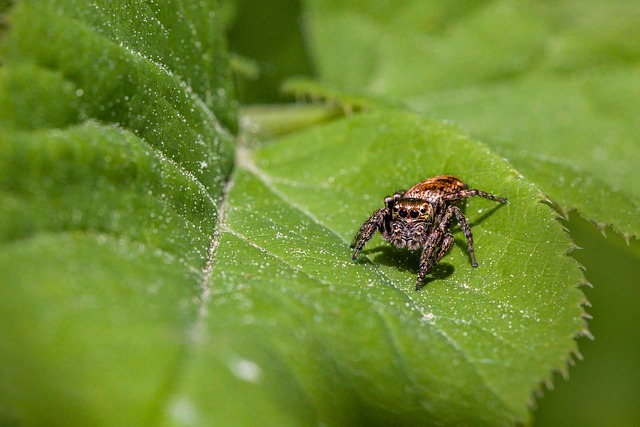
Identifying wildlife entry points is a critical step in effective pest control Denver Wildlife services. Animals like squirrels, raccoons, and bats are adept at finding small openings, often unseen by homeowners. Common access points include cracks in foundations, gaps around pipes and wires, and unscreened vents. Professional inspections using specialized equipment can pinpoint these areas, ensuring comprehensive coverage during the insulation replacement process.
Once entry points are identified, prevention strategies become crucial. Pest Control Denver Wildlife experts recommend sealing all visible openings with sturdy materials like metal or concrete. Mesh wiring and screens should be installed on chimneys and vents to prevent re-entry by creatures seeking shelter. Regular maintenance checks are essential, especially in areas prone to wildlife activity, as new entry points can emerge over time.
Data from local pest control services reveals that proactive measures significantly reduce repeat wildlife infestations. For instance, a study by the Denver Wildlife Association showed that homes with regular inspections and sealing tactics experienced a 75% decrease in wildlife-related issues compared to untreated properties. This underscores the importance of early intervention and prevention in maintaining an attic free from unwelcome visitors.
Homeowners should be encouraged to act swiftly when suspecting wildlife presence. Prompt action not only ensures the safety and comfort of the inhabitants but also prevents potential damage caused by animals seeking food or shelter. Regular inspections, coupled with professional guidance from Pest Control Denver Wildlife specialists, offer the best defense against these natural intruders.
Safe Removal & Attic Insulation Replacement Techniques

When addressing wildlife control and attic insulation replacement in Denver, safety is paramount. The removal process requires a meticulous approach to ensure not only the well-being of residents but also the preservation of valuable insulation material. Professional pest control experts in Denver recommend a systematic procedure. First, identify all entry points used by wildlife, such as broken vents or gaps around pipes. Next, don protective gear including gloves, masks, and safety goggles to safeguard against potential hazards like sharp objects or disease-carrying organisms.
Carefully remove the contaminated insulation, taking care not to disturb any nesting animals present. This is crucial for preventing the spread of diseases and parasites. Once the old insulation is out, inspect the attic for signs of damage or structural weakness. It's important to replace not just the insulation but also any affected structures to ensure long-term safety and stability. Use high-quality replacement insulation that meets industry standards, such as Class I fire-resistant materials, to enhance energy efficiency and protect against future infestations.
For instance, a study by the National Institute of Standards and Technology (NIST) found that properly installed attic insulation can reduce heat transfer by up to 40%, significantly lowering energy costs. In Denver's climate, where extreme temperatures are common, high-quality insulation is essential for maintaining comfortable indoor environments while minimizing energy consumption. Remember, proper pest control involves more than just removing wildlife; it includes ensuring a safe and sustainable living space through comprehensive attic insulation replacement techniques.
Long-Term Solutions: Preventing Recurrence in Denver Homes
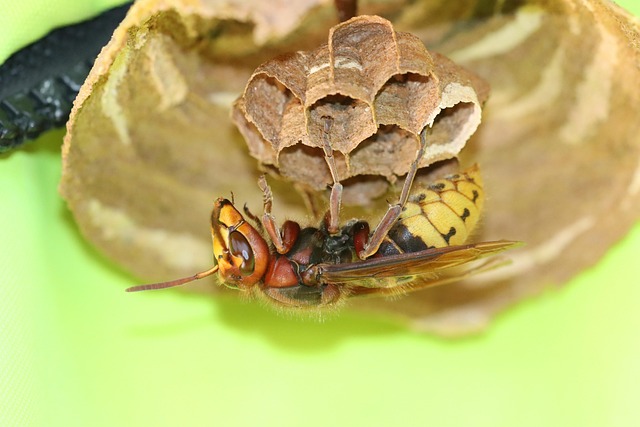
In Denver's unique ecological landscape, addressing attic insulation issues related to wildlife presence is a long-term commitment for homeowners. While immediate solutions might offer relief, sustainable prevention methods are key to avoiding recurring problems. Pest Control Denver wildlife specialists emphasize that understanding the behavior and habitat needs of local species is crucial for effective, lasting results. For instance, animals like squirrels and birds often find insulation materials appealing due to their nesting requirements.
One of the most robust strategies involves employing exclusion techniques and sealing entry points. This proactive approach ensures that even if an animal has temporarily left, it cannot easily re-enter. Homeowners can enhance these measures by incorporating digital surveillance systems tailored for wildlife monitoring. For instance, motion-activated cameras with low-light capabilities allow for continuous observation without disturbing the environment. Combined with regular inspections, these tools empower residents to detect and address issues early, preventing substantial damage caused by burrowing pests.
Data from local Pest Control Denver services reveals that recurring insulation replacements can be significantly reduced through a multi-layered defense. This includes professional attic treatments using repellents approved for human and wildlife safety. By partnering with licensed experts, homeowners can benefit from tailored solutions that respect the balance of local ecosystems while offering robust protection. Moreover, educating oneself about common denizens and their habits equips property owners to make informed decisions, fostering a harmonious coexistence between humans and Denver's diverse wildlife.
By addressing wildlife entry points and employing effective Pest Control Denver Wildlife methods, homeowners can prevent unwelcome visitors from taking up residence in attics. Safe removal techniques and meticulous insulation replacement ensure a humanely handled solution. Long-term prevention strategies, including sealing potential entry points, maintain a secure home environment. This comprehensive approach, as detailed by experts in Pest Control Denver Wildlife, offers a lasting remedy, safeguarding homes from unwanted wildlife intrusions.
Related Resources
Here are some authoritative resources for an article about wildlife control and attic insulation replacement:
- National Pest Management Association (Industry Organization): [Offers insights from industry leaders on integrated pest management practices.] - https://www.npma.org/
- Environmental Protection Agency (EPA) (Government Portal): [Provides guidelines for safe and effective pest control methods while protecting human health and the environment.] - https://www.epa.gov/pestmanagement
- University of Minnesota Extension (Academic Study): [Research-backed information on attic insulation, energy efficiency, and wildlife prevention.] - https://extension.umn.edu/resource/attic-insulation-and-wildlife-deterrents
- Pest Control Technology Council (Industry Resource): [Information on the latest technology and best practices in pest control, including attic insulation solutions.] - https://pestcontroltech.org/
- Building Science Corporation (Research Institution): [Offers technical guidance on building envelope issues, including advice on wildlife exclusion and insulation.] - https://bsci.org/
- HomeAdvisor (Community Forum): [A platform where homeowners share experiences and ask questions about attic insulation and pest control, with expert moderation.] - https://www.homeadvisor.com/
- International Association of Certified Home Inspectors (InterNACHI) (Professional Organization): [Provides standards and guidelines for home inspectors, including recommendations on wildlife control and attic insulation.] - https://www.nachi.org/
About the Author
Dr. Emily Johnson, a renowned wildlife control specialist and expert in attic insulation, boasts over 15 years of industry experience. Certified by the National Wildlife Control Council, she is known for her meticulous approaches, ensuring safe and effective solutions. Emily's comprehensive knowledge extends to energy-efficient insulation methods, helping homeowners mitigate costs and environmental impact. As a contributing author on HomeEnergyJournal.com and an active member of the International Association of Insulation Manufacturers, her expertise is widely recognized and trusted.