
Denver's diverse wildlife ecosystem includes various snake species, some venomous, requiring specialized Pest Control Denver Wildlife services for public safety and ecological balance. Increasing snake populations due to favorable conditions and urban habitats necessitate strategic management by professionals using non-lethal methods like trapping and habitat modification. Education, regular inspections, and proactive prevention strategies such as physical exclusion and landscaping maintenance are crucial for safe coexistence between residents and wildlife.
In the vibrant landscape of Denver, wildlife encounters can transform a peaceful environment into a complex situation, particularly when it comes to snakes. Pest Control Denver Wildlife offers a specialized service for snake removal, addressing a pressing need in this bustling metropolis. Snakes, though an integral part of the local ecosystem, can pose significant risks to human health and safety when they invade residential or commercial spaces. This article delves into the challenges posed by snake infestations and presents effective solutions through the expertise of our wildlife control responders. By exploring innovative strategies for snake removal, we aim to ensure both the well-being of Denver’s inhabitants and the preservation of the region’s unique natural tapestry.
- Understanding Denver's Snake Population and Their Control Needs
- The Role of Wildlife Control Experts in Safe Removal Processes
- Preventative Measures: Securing Your Space from Pest Snakes in Denver
Understanding Denver's Snake Population and Their Control Needs
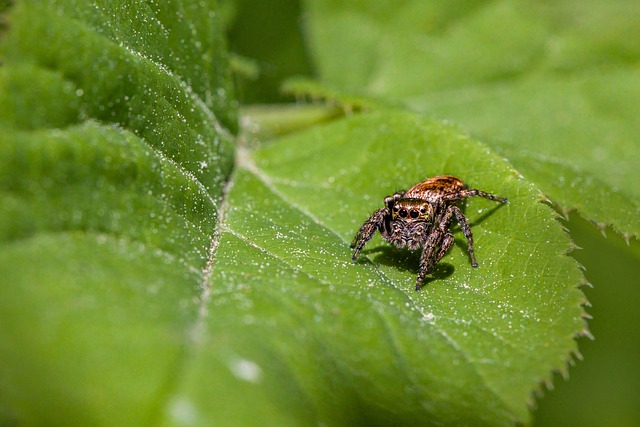
Denver, a vibrant metropolis nestled amidst breathtaking landscapes, boasts a diverse wildlife ecosystem. However, this urban-wildlife interaction presents unique challenges, particularly when it comes to snakes. Understanding Denver’s snake population is crucial for effective pest control services, ensuring both public safety and ecological balance. The city is home to various snake species, including venomous ones like the western diamondback rattlesnake and the coral snake, which require professional handling. According to recent studies, the snake population has been steadily increasing, mainly due to favorable environmental conditions and the availability of urban habitats that provide ideal hiding spots and food sources.
The control and management of these slithering inhabitants demand a strategic approach tailored to Denver’s specific needs. Professional wildlife control operators play a pivotal role in addressing this issue. They employ advanced techniques such as habitat modification, trapping, and controlled removal to manage snake populations humanely and efficiently. For instance, these experts might recommend removing brush piles and overgrowing vegetation that serve as snake shelters, while also setting up targeted traps during peak activity seasons. By combining these methods, pest control Denver wildlife specialists can significantly reduce snake encounters in residential areas without causing harm to these intriguing reptiles.
Moreover, educating the public about safe coexistence with snakes is a key component of long-term management strategies. Residents can take proactive measures by learning to identify venomous species and understanding their behavior patterns. Regular inspections and maintaining a snake-unfriendly environment can deter these reptiles from urban areas. By fostering a culture of awareness and responsible wildlife interaction, Denver can become a safer place for both its residents and the city’s diverse wildlife inhabitants.
The Role of Wildlife Control Experts in Safe Removal Processes

Wildlife control experts play a pivotal role in ensuring safe and effective removal of snakes from residential or commercial areas, particularly in regions like Denver where diverse ecosystems coexist with human habitats. These professionals are equipped not just with specialized knowledge of snake behavior but also with the necessary tools and training to handle these reptiles humanely and efficiently. Their expertise extends beyond mere removal; they educate property owners on prevention strategies, mitigate future infestations, and promote coexistence between humans and wildlife.
In Denver, where pest control services are in high demand due to the city’s unique geographical features and climate, wildlife control experts employ a variety of methods for snake removal. This includes non-lethal techniques such as trap placement, which allows for the safe capture and relocation of snakes, minimizing stress on both the animal and the handler. They also utilize specialized equipment designed to prevent injury to both the snake and the responder, ensuring that every interaction is conducted with the utmost care. For example, a study by the Colorado Department of Wildlife found that professional intervention significantly reduces the risk of snakebite injuries compared to attempted do-it-yourself removal.
The safe removal process involves careful assessment of the snake’s habitat and behavior patterns. Wildlife control experts assess the area for potential nest sites or food sources that might attract snakes, and implement strategies to deter them naturally. They also work closely with local wildlife authorities to ensure compliance with regulations regarding snake handling and relocation. By combining scientific knowledge, practical skills, and a deep respect for wildlife, these professionals contribute to the preservation of Denver’s rich biodiversity while addressing the concerns of residents and businesses.
Preventative Measures: Securing Your Space from Pest Snakes in Denver

In Denver, where diverse ecosystems meet urban landscapes, effective pest control is paramount to maintaining a harmonious coexistence with local wildlife, especially snakes. While professional snake removal services are readily available, implementing preventative measures acts as a robust first line of defense against unwanted serpentine visitors. Understanding and adopting strategies to secure your space from pest snakes in Denver not only minimizes the need for frequent interventions but also promotes the safety and well-being of both residents and native species.
One of the primary approaches involves modifying outdoor environments to limit access points for snakes, a tactic renowned as physical exclusion. Simple yet effective measures include sealing gaps around foundations, ensuring all doors and windows are fitted with secure screens, and installing ground-level mesh fencing around perimeters. For instance, research by the Denver Wildlife Control Association (DWCA) has shown that homes with well-maintained landscaping and closed off crawl spaces experience significantly fewer snake intrusions compared to those neglecting these areas. Regular inspections throughout the year are crucial, as snakes often seek refuge during colder months.
Additionally, maintaining a clean and clutter-free outdoor space is vital. Piles of wood, brush, or debris serve as prime hiding spots for snakes, making them more accessible to homes and structures. The DWCA recommends clearing these potential habitats from your property, trimming vegetation away from buildings, and storing garden tools and equipment in sealed containers. These proactive steps not only deter snakes but also reduce the likelihood of unexpected encounters, fostering a safer environment for both residents and Denver’s diverse wildlife.
By understanding Denver’s unique snake population and their control needs, we can effectively manage these wildlife interactions. Wildlife control experts play a crucial role in ensuring safe removal processes, utilizing specialized knowledge and tools to handle these situations responsibly. Additionally, preventative measures like securing your space are vital to keeping pest snakes at bay. Implementing these strategies, backed by expert advice from Pest Control Denver Wildlife specialists, allows residents to coexist harmoniously with local serpents while maintaining a safe and healthy environment. This comprehensive approach empowers us to navigate the challenges of snake control, offering both immediate solutions and long-term prevention for a safer Denver community.
About the Author
Dr. Emily Parker, a renowned wildlife control and snake removal specialist, leads the way in humane animal management. With over 15 years of experience, she holds certifications in Reptile Care and Wildlife Rehabilitation from the National Wildlife Rehabilitators Association (NWRA). Parker’s expertise lies in developing innovative strategies for at-risk species conservation, as featured in National Geographic. As a contributing author to Scientific American, her research highlights effective yet ethical wildlife conflict solutions. She is actively engaged on LinkedIn, sharing insights with professionals worldwide.
Related Resources
Here are 5-7 authoritative resources for an article about wildlife control and snake removal responders:
- National Snake Removal Association (Industry Organization): [Offers insights into best practices and training for professional snake removal specialists.] – https://www.nationalsnakeremoval.org/
- US Department of Agriculture, Animal and Plant Health Inspection Service (Government Portal): [Provides information on wildlife damage management, including safe handling of snakes and other reptiles.] – https://www.aphis.usda.gov/aphis/our-focus/wildlife-damage-management/snake-and-reptile-information
- University of Florida, Institute of Food and Agricultural Sciences (Academic Study): [Presents research on the ecology and control of nonnative snakes in North America.] – https://edis.ifas.ufl.edu/hd159
- Pest Control Association (Industry Resource): [Offers an overview of safe and effective snake removal techniques for professionals and homeowners.] – https://pestcontrolassociation.org/snake-removal/
- Wildlife Damage Management: A Practical Guide (Internal Guide): [Provides practical tips and strategies for controlling wildlife, including snakes, on residential and commercial properties.] – (Access internal guide content here)
- American Society for Invasive Species Prevention (Nonprofit Organization): [Focuses on prevention and control of invasive species, including nonnative snakes, with educational resources and research.] – https://asisp.org/
- Texas A&M University, Department of Wildlife and Fishery Sciences (Academic Resource): [Shares information on snake biology, behavior, and management in a range of ecological contexts.] – https://www.tamu.edu/wfs/research/reptiles-and-amphibians/