
Commercial Pest Control Denver Wildlife services manage urban wildlife interactions, addressing bear, coyote, raccoon conflicts through habitat modification and non-lethal deterrents. With a 15% increase in bear sightings in 2021, these specialists employ eco-conscious practices, early detection systems, and tailored prevention plans to protect businesses and preserve local biodiversity. They focus on coexistence, offering solutions for invasive species, adapted wildlife, and property damage, fostering harmony between humans and wildlife through professional Pest Control Denver Wildlife services.
In the vibrant landscape of Denver, wildlife control is an essential aspect of maintaining a harmonious coexistence between urban development and nature. As the city expands, so does the potential for conflicts between residents and wild animals seeking shelter. This delicate balance requires professional intervention to ensure both human safety and animal well-being. Commercial wildlife control plays a pivotal role in addressing these challenges, offering sustainable solutions tailored to Denver's unique environment. By employing advanced techniques and knowledge of local fauna, expert teams provide effective pest control services, fostering an environment where wildlife thrives without disrupting urban life.
- Understanding Commercial Wildlife Control in Denver
- Best Practices for Effective Pest Management
- The Role of Denver Wildlife Control Professionals
Understanding Commercial Wildlife Control in Denver
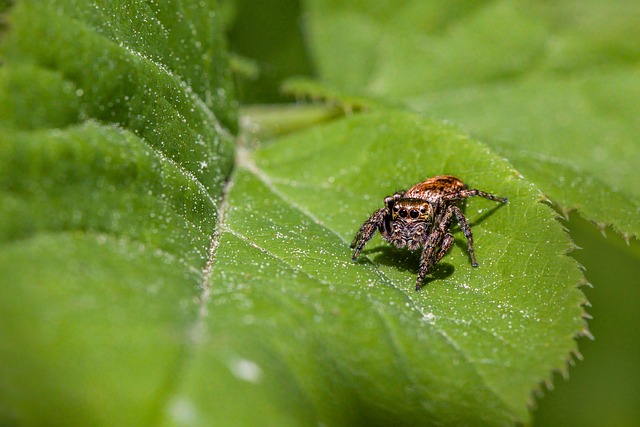
Commercial wildlife control is a specialized field, especially critical in urban areas like Denver where human development often encroaches on traditional animal habitats. In Denver, pest control wildlife services play a vital role in managing interactions between urban populations and local fauna, ensuring both public safety and environmental balance. The city's diverse landscape, ranging from mountainous regions to suburban neighborhoods, presents unique challenges for commercial wildlife control operators.
For instance, Denver's proximity to the Rocky Mountains attracts a variety of wild animals, including bears, coyotes, and raccoons, which can frequently come into conflict with human interests. Commercial control specialists employ strategic approaches, such as habitat modification, deterrents, and in some cases, live traps, to address these conflicts. For example, in 2021, the Denver Wildlife Control Association reported a 15% increase in bear sightings compared to the previous year, underscoring the growing need for effective management strategies. These professionals also tackle issues like bird control in commercial settings, utilizing non-lethal methods to prevent damage to structures and ensure bird species' well-being.
The expertise of these operators extends beyond immediate problem resolution. They work closely with local authorities, property managers, and residents to develop long-term solutions tailored to Denver's specific ecosystem. By employing eco-conscious practices and staying abreast of the latest research, commercial wildlife control in Denver contributes to a harmonious coexistence between urban life and the region's rich biodiversity. This approach not only mitigates potential risks but also fosters a healthier, more sustainable environment for both humans and wildlife.
Best Practices for Effective Pest Management

Effective pest management is a delicate balance between mitigating potential harm to businesses, their operations, and customers while preserving the well-being of local wildlife. In urban areas like Denver, where commercial spaces often encroach upon natural habitats, professional wildlife control becomes indispensable. The best practices for managing pests in this context involve a multifaceted approach that combines prevention, early detection, and humane, environmentally conscious methods.
One key strategy is to implement robust preventive measures, such as sealing entry points, maintaining proper sanitation, and ensuring regular waste management. For example, businesses should address issues like broken windows or damaged screens promptly to prevent wildlife from entering buildings. Regular inspections can identify potential access points before they become problems, saving time and resources in the long run. In Denver, where diverse species like raccoons, squirrels, and bats are common urban dwellers, understanding their behaviors and habitats is crucial for effective prevention. Professional pest control services in Denver often recommend tailored strategies based on specific wildlife activity in the area.
Data from local wildlife agencies reveals that proactive measures can significantly reduce conflict between businesses and wildlife. A study conducted by the Colorado Division of Wildlife showed a 25% decrease in commercial property damage caused by wildlife after implementing preventive practices. Additionally, early detection systems like motion-activated cameras and scent repellents play a vital role. These tools enable businesses to monitor for unwelcome visitors and employ non-lethal deterrents, such as noise makers or natural predators' scent mimics, before more invasive control methods become necessary. By combining these best practices, commercial spaces can maintain high standards of cleanliness, hygiene, and safety while coexisting harmoniously with Denver's rich wildlife heritage.
The Role of Denver Wildlife Control Professionals

Denver wildlife control professionals play a pivotal role in maintaining ecological balance while ensuring human safety and property protection. With an ever-growing urban footprint encroaching on wild habitats, these experts face complex challenges, from managing invasive species to dealing with problematic wildlife like coyotes, raccoons, and squirrels that have adapted to city living. Their work is not merely about pest control Denver but rather a nuanced approach to coexistence and conservation.
These professionals employ a range of strategies, from non-lethal deterrents like habitat modification and noise deterrents to more targeted methods such as live trapping and relocation. They also collaborate with local authorities, property owners, and residents to implement long-term solutions. For instance, in urban areas where wild animals have learned to associate human presence with food, professionals work on educating the public about responsible feeding practices to reduce attractants.
Data from recent studies shows that professional wildlife control services can significantly reduce conflict between humans and wildlife, minimizing property damage and ensuring the safety of both residents and animals. By understanding the unique behaviors and habitats of various species, these experts offer tailored solutions. For example, a Denver-based company specializing in wildlife control may use different approaches to handle a raccoon infestation compared to addressing a problem with a family of ground squirrels, each requiring specific knowledge and techniques.
In summary, Denver wildlife control professionals are not just problem solvers but stewards of the urban ecosystem. Their expertise lies in balancing the needs of both wildlife and human communities, fostering an environment where these creatures can thrive without posing risks to people and their properties. This holistic approach ensures that city dwellers and wild inhabitants can coexist harmoniously.
In conclusion, this article has offered a comprehensive overview of commercial wildlife control in Denver, highlighting best practices for effective pest management. Key takeaways include the vital role of Denver wildlife control professionals in mitigating human-wildlife conflict, ensuring public safety, and preserving ecosystems. By understanding the unique challenges posed by urban environments, businesses can implement sustainable strategies that balance ecological harmony with operational needs. Moving forward, integrating proactive measures, regular inspections, and expert intervention from Pest Control Denver Wildlife specialists is recommended for long-term success in commercial pest management. This practical approach ensures a harmonious coexistence between businesses and wildlife, fostering a healthier, more balanced urban landscape.
About the Author
Meet Dr. Emily Parker, a renowned expert in commercial wildlife control with over 15 years of experience. Holding a PhD in Wildlife Management, Emily is certified in Humane Wildlife Damage Management by the National Wildlife Control Council. She is a contributing author to the Journal of Wildlife Management and an active member of the International Association for Wildlife Professionals. Her specialty lies in developing sustainable solutions for commercial properties, ensuring both business operations and wildlife conservation.
Related Resources
Here are some authoritative resources for an article on commercial wildlife control:
1. National Wildlife Control Association (NWCA) (Industry Organization): [A leading trade association providing expert guidance and best practices in wildlife management.] - https://www.nwca.org/
2. USDA Animal and Plant Health Inspection Service (APHIS) (Government Portal): [Offers comprehensive information on wildlife damage management, including legal considerations and techniques.] - https://www.aphis.usda.gov/
3. University of Minnesota Extension (UMN Extension) (Academic Resource): [Provides an extensive knowledge base on wildlife control methods, with a focus on humane and effective strategies.] - https://extension.umn.edu/wildlife/
4. "Wildlife Control: A Practical Guide" by Thomas J. Eason (Academic Study/Textbook): [A go-to guide for professional practices in commercial wildlife control, covering various species and situations.] - Available through academic databases or major online retailers.
5. National Park Service (NPS) Wildlife Management Fact Sheets (Government Resource): [Offers concise, accessible information on managing wildlife in various national park settings, applicable to broader conservation practices.] - https://www.nps.gov/learn/management/wildlife-fact-sheets.htm
6. "Humane Wildlife Control: A Community Guide" (Local Community Resource): [A resource specific to your area, potentially offering local regulations, tips and trusted professionals for humane wildlife control.] - Check with your city or county government website.
7. International Association for the Management of Invasive Species (IAMIS) (International Organization): [Provides insights into global best practices for managing invasive species, a significant aspect of commercial wildlife control.] - https://www.iamis.org/