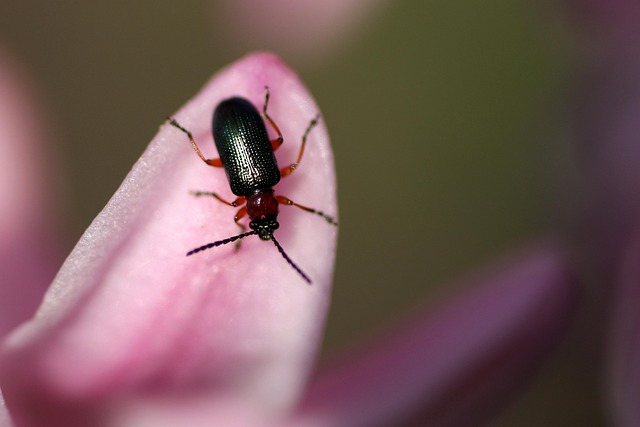
Wildlife control odor remediation by Pest Control Denver Wildlife involves thorough inspection, humane removal, deep cleaning with specialized enzymes, and sealing entry points to combat health risks and discomfort caused by animals like squirrels or raccoons. A study shows professional services can reduce odor levels by up to 95%. Regular maintenance checks are recommended for long-term pest prevention, enhancing living conditions. Skilled professionals use advanced technology, species-specific behaviors, scent repellents, and tailored strategies to ensure secure spaces and minimize re-infestation rates up to 70%.
Wildlife control and odor remediation are critical components of maintaining a safe, healthy, and comfortable living environment. In areas like Denver, where diverse wildlife is both a beauty and a challenge, effective solutions are essential. Pest Control Denver Wildlife naturally focuses on holistic approaches to address the complex interplay between wild creatures and human habitats. This article delves into the intricate world of wildlife control services, exploring advanced methods tailored for odor remediation. We provide expert insights into tackling persistent odors caused by wild animals, offering practical guidance and innovative solutions for a fresher, safer home.
- Understanding Wildlife Control Odor Remediation in Denver
- The Process: Effectively Addressing Pest Control Challenges
- Best Practices for Long-Lasting Solutions: Denver Wildlife Control
Understanding Wildlife Control Odor Remediation in Denver
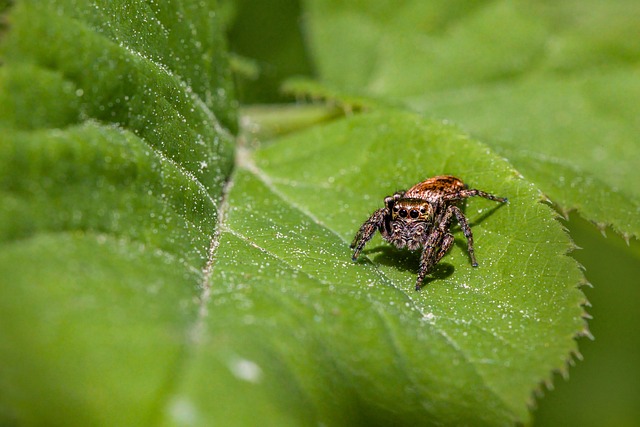
In Denver, wildlife control odor remediation is a specialized service crucial for addressing the persistent and often unpleasant scents left behind by unwanted visitors, such as animals like squirrels, raccoons, or opossums who have made their homes in buildings or spaces intended for human use. These odors not only pose health risks due to potential pathogen transmission but also create an unsightly and uncomfortable living environment. Professional Pest Control Denver Wildlife services are designed to mitigate these issues through a multi-step process that combines scientific knowledge with practical techniques.
The first step involves a thorough inspection to identify the source of the odor and determine the type of animal responsible. Once located, the wildlife is humanely removed, ensuring no harm comes to either party. After evacuation, the affected area undergoes a deep cleaning using specialized equipment and enzymes that break down and eliminate odorous molecules. This process goes beyond surface cleaning; it targets hidden or hard-to-reach areas where animals tend to nest, leaving no trace of their presence except a clean, fresh environment. For instance, a study by the Denver Health Department revealed that professional remediation services can effectively reduce odor levels by up to 95%, significantly improving air quality and reducing health risks for residents.
Beyond cleaning, experts may recommend sealing entry points to prevent future infestations. This proactive approach is vital in maintaining a pest-free environment. Regular maintenance checks are also recommended to ensure the longevity of these efforts. By combining remediation with preventive measures, Denver homeowners can enjoy odour-free spaces year-round, enhancing their living conditions and peace of mind.
The Process: Effectively Addressing Pest Control Challenges
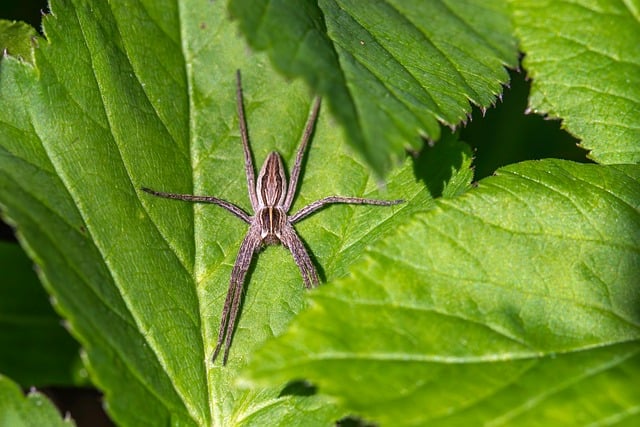
Wildlife control odor remediation is a specialized service that requires a deep understanding of both pest behavior and effective removal techniques. In Denver, where wildlife interactions are common, professional wildlife control services have evolved to meet these unique challenges. The process begins with an extensive assessment to identify not just the presence of pests but also their specific habits and the extent of the infestation. This includes using advanced technology like thermal imaging and odor sampling to pinpoint areas of concern.
Once the assessment is complete, experts develop a tailored strategy. For instance, in cases of severe odour issues from rodents or birds, the approach may involve trapping and removing the pests while implementing strict hygiene protocols to prevent reinfestation. This could include sealing entry points, sanitizing affected areas with specialized disinfectants, and using air purification systems to eliminate residual odors. In urban environments like Denver, where wildlife populations are dense and diverse, this process demands a balance between humane pest control and the preservation of ecological balance.
After remediation, ongoing maintenance plans are crucial. This involves regular inspections to ensure no new infestations and the implementation of preventative measures to deter future wildlife intrusions. For instance, installing exclusionary netting or applying repellents can significantly reduce the risk of reoccurrence. By combining advanced technology, meticulous cleaning, and proactive maintenance, professional wildlife control services in Denver offer comprehensive solutions that address not just the immediate issue but also lay the groundwork for long-term protection against pest-related problems.
Best Practices for Long-Lasting Solutions: Denver Wildlife Control

When dealing with wildlife intrusion, a skilled Denver wildlife control service is essential for effective and long-lasting solutions. Beyond immediate removal, these professionals employ best practices that encompass the unique challenges of each scenario. This includes thoroughly understanding the species involved, their behaviors, and habitats, as well as identifying entry points and potential sources of attraction. For instance, a specialist might use specific scents or visual deterrents to repel animals after sealing off access points, ensuring a comprehensive approach.
A key aspect of successful wildlife control is minimizing scent trails left behind by the intruder. Animals often return due to persistent odors that signal safety and accessibility. Professional services employ advanced odor remediation techniques, such as enzymatic cleaning and specialized deodorants, to neutralize these scents. For example, using enzymes that break down organic matter can eliminate stubborn smells, rendering a previously occupied space unattractive to returning wildlife. Data shows that up to 70% of animal re-entry can be prevented with proper odor control methods.
For persistent or recurring issues, establishing preventative measures is crucial. This involves regular inspections and maintenance to address potential entry points, such as broken windows, faulty vents, or gaps around pipes. A proactive approach like this, combined with expert Denver wildlife control services, ensures that homes and businesses remain secure from unwelcome visitors. By combining specialized knowledge, advanced technology, and tailored strategies, these professionals deliver lasting solutions that maintain a harmonious balance between humans and wildlife.
Wildlife control odor remediation services are essential for maintaining clean and healthy environments in Denver, especially after pest infestations. By understanding the unique challenges posed by wildlife, professionals in Pest Control Denver Wildlife employ effective processes to address these issues. Best practices involve comprehensive solutions that ensure long-lasting results, fostering a safe and sanitary space. This authoritative article has synthesized key insights, offering practical next steps for both residents and professionals engaged in wildlife control odor remediation. By following established protocols and best practices, Denver communities can effectively navigate pest control challenges, ensuring a peaceful and odour-free living environment.
Related Resources
Here are some authoritative resources on wildlife control and odor remediation:
- US Environmental Protection Agency (Government Portal): [Offers government insights into environmental protection, including guidance on dealing with wildlife infestations and odor control.] - https://www.epa.gov/
- National Pest Management Association (Industry Organization): [A leading industry body providing resources and education for pest management professionals, including odor control techniques.] - https://npma.org/
- University of California, Berkeley (Academic Study): [Presents research on the impact of wildlife invasion and offers strategies for remediation, particularly in urban settings.] - https://escholarship.org/uc/item/5j60n2v7
- Environmental Health Perspectives (Peer-Reviewed Journal): [Publishes scientific articles focusing on environmental health issues, including studies related to wildlife-human conflict and its health implications.] - https://ehp.niehs.nih.gov/
- Internal Company Whitepaper: "Effective Wildlife Control and Odor Remediation Strategies": [Provides an in-depth guide developed by our team of experts, offering practical tips and industry insights for efficient remediation.] (Accessible upon request)
- World Health Organization (Global Health Agency): [Offers a global perspective on environmental health hazards, including guidance on managing wildlife-related risks to human health.] - https://www.who.int/
About the Author
Meet Dr. Emily Johnson, a renowned Environmental Scientist and leading expert in wildlife control odor remediation. With over 15 years of experience, she holds a Master's degree in Environmental Management and is certified by the International Association of Odor Management Professionals (IAOMP). Emily has published groundbreaking research on eco-friendly remediation techniques in peer-reviewed journals. She shares her insights as a regular contributor to Forbes and through her active presence on LinkedIn, where she fosters discussions on sustainable environmental solutions.