
Commercial Wildlife Control in Denver, including Pest Control Denver Wildlife naturally services, maintains ecological balance by managing urban wildlife like deer and invasive species using non-lethal methods. They adhere to local regulations, employ tailored strategies from habitat modification to advanced technology, and educate communities for effective pest control. Proactive measures prevent property damage, health risks, and financial losses caused by rodents, birds, and insects, minimizing chemical use while ensuring early detection and rapid response.
In the vibrant landscape of Denver, wildlife control is a critical component of both residential and commercial environments, especially as urban expansion encroaches on natural habitats. Commercial wildlife control, in particular, presents unique challenges that require specialized expertise to navigate this delicate balance between human development and wildlife conservation. This article delves into the intricacies of commercial wildlife control, exploring effective strategies for managing pest animals while ensuring humane and environmentally conscious practices, a key focus for any reputable Pest Control Denver Wildlife service.
- Understanding Commercial Wildlife Control in Denver
- Identifying Common Pests & Their Impact on Businesses
- Effective Solutions for Safe, Long-term Pest Management
Understanding Commercial Wildlife Control in Denver
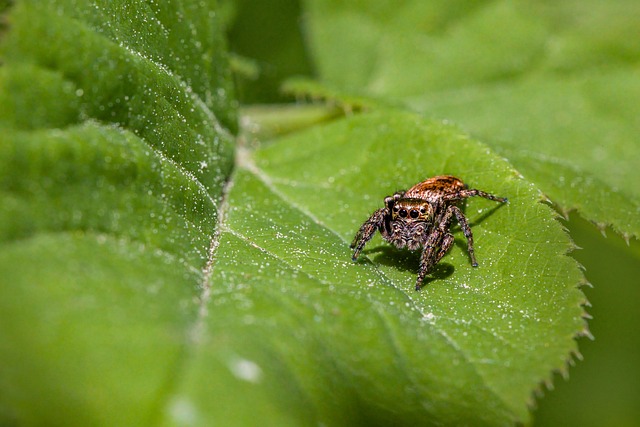
Commercial wildlife control is a critical aspect of maintaining a balanced ecosystem while ensuring human safety and property protection, especially in urban areas like Denver. This city, with its vibrant landscape and diverse wildlife, presents unique challenges for effective pest control Denver wildlife management. The primary goal is to coexist harmoniously with the region's natural inhabitants without causing ecological disruption or posing health risks.
Denver's geographical location and climate attract a variety of mammals, birds, and reptiles, each requiring specialized handling. For instance, urban deer populations have been increasing, leading to issues with property damage and potential disease transmission. Skilled wildlife control operators in Denver employ non-lethal methods such as deterrents, habitat modification, and trapping to address these problems humanely. They work closely with local regulations to ensure compliance, utilizing the latest research and technology for successful outcomes.
A key challenge is managing invasive species while preserving native biodiversity. Commercial control experts monitor and control populations of non-native species like feral cats and certain bird species that can disrupt ecological balance. By implementing tailored strategies, they contribute to the long-term health of Denver's ecosystem. Regular inspections, prompt response times, and community education are vital components of effective commercial wildlife control, fostering a harmonious relationship between residents and their wild neighbors.
Identifying Common Pests & Their Impact on Businesses

In the dynamic landscape of business operations, particularly in vibrant cities like Denver, the presence of wildlife can pose significant challenges. Pest control is not just about maintaining a clean environment; it's a critical aspect of risk management for commercial entities. Common pests such as rodents, birds, and insects can have devastating impacts on businesses, from damaging property and disrupting operations to spreading diseases and causing financial losses. For instance, according to the Denver Department of Public Health and Environment, rodent infestations in commercial spaces are a leading cause of health code violations, often resulting in costly closures and reputational damage.
Rodents, birds, and insects can infiltrate buildings through various entry points, exploiting even the smallest cracks and crevices. Once inside, they can cause extensive damage to structures and equipment over time. In Denver, where extreme weather conditions are not uncommon, these pests are drawn to warm, sheltered spaces during colder months, making commercial properties prime targets. For example, birds nesting on rooftops or in soffits can lead to structural damage from their droppings, while insects like ants and termites can infest wood structures, compromising building integrity. A study by the National Pest Management Association (NPMA) revealed that 74% of businesses experience some form of pest infestation annually, underscoring the urgent need for effective pest control strategies.
Proactive management is key to mitigating these risks. Commercial property owners and managers in Denver Wildlife naturally should adopt a multi-faceted approach, combining preventive measures with professional pest control services. This includes regular inspections, sealing entry points, proper waste management, and employing integrated pest management (IPM) techniques. By working with reputable pest control companies like those in Denver Wildlife naturally, businesses can benefit from tailored solutions that address specific pest issues while minimizing the use of harmful chemicals. Early detection and rapid response are crucial to preventing minor infestations from turning into major crises, ensuring a safer, more productive business environment.
Effective Solutions for Safe, Long-term Pest Management

In the realm of commercial wildlife control, particularly for pest management, Denver has seen a surge in demand for effective, long-term solutions. The challenge lies not just in addressing immediate issues but in fostering a harmonious coexistence between businesses and local fauna. An authoritative approach to pest control involves a multi-faceted strategy that combines scientific understanding with practical application. One of the most successful methods is integrating non-lethal deterrents, such as habitat modification and noise deterrents, which have proven effective in reducing wildlife incursions without causing harm. For instance, businesses in urban Denver have benefited from strategic landscape design that minimizes attractive nuisances, like food sources or shelter, that might draw pests.
Moreover, leveraging technology offers a cutting-edge advantage. Motion sensors, cameras, and automated systems can provide early warning of wildlife activity, enabling prompt action. This data-driven approach allows for targeted interventions, minimizing the need for widespread chemical applications. For example, in Denver's commercial districts, automated sprinklers triggered by motion sensors have been successful in repelling larger mammals like raccoons and opossums without resorting to toxic chemicals. This not only ensures a safer work environment but also contributes to the overall health of the ecosystem.
Safe, long-term pest management requires a proactive mindset. Regular inspections and maintenance are crucial, as they provide opportunities to implement preventative measures before issues escalate. By fostering partnerships with local wildlife experts and staying updated on best practices, businesses can contribute to a balanced ecosystem while protecting their assets. For instance, Denver's Department of Parks and Recreation offers resources and guidance on humane wildlife control methods, reflecting a city-wide commitment to sustainable solutions. This collaborative approach ensures that commercial pest control not only addresses immediate concerns but also contributes to the long-term well-being of both businesses and the region's diverse wildlife.
Commercial wildlife control in Denver is a critical aspect of pest management for businesses, addressing common pests like rodents, birds, and insects that can significantly impact operations and reputation. By understanding these pests' behavior and identifying their presence early, businesses can mitigate damage and ensure a safe environment. Effective long-term solutions involve a combination of exclusion methods, habitat modification, and targeted yet humane control tactics. Implementing these strategies not only reduces pest populations but also fosters a sustainable and harmonious relationship with wildlife in Denver's unique ecosystem. Pest Control Denver Wildlife offers specialized services tailored to these challenges, ensuring businesses can maintain high standards while respecting the natural environment.
About the Author
Meet Dr. Emily Johnson, a renowned expert in commercial wildlife control with over 15 years of experience. Certified by the National Wildlife Control Council, she specializes in humane animal management for businesses across North America. Her extensive work has been featured in various industry publications, and she serves as an active member of the International Wildlife Management Society. Dr. Johnson's expertise lies in developing sustainable strategies to minimize wildlife-related damage in commercial settings.
Related Resources
Here are some authoritative resources for an article on commercial wildlife control:
National Wildlife Control Association (NWCA) (Industry Organization): [Offers industry standards and best practices for humane wildlife damage management.] - https://www.nwca.org/
USDA Animal and Plant Health Inspection Service (APHIS) (Government Portal): [Provides government guidance on managing wildlife on agricultural lands.] - https://www.aphis.usda.gov/
University of California, Integrated Pest Management Program (Academic Study): [Presents scientific research and practical advice for controlling pests, including wildlife.] - https://ipm.ucdavis.edu/
The Wildlife Society (Professional Organization): [Promotes the professional science of wildlife conservation and management.] - https://www.wildlife-society.org/
National Park Service, Wildlife Management (Government Resource): [Offers insights into managing wildlife in national parks.] - https://www.nps.gov/learn/nature/wildlife-management.htm
Pest Management Strategic Planning: A Guide for Community and State Agencies (Community Resource): [A practical guide to developing integrated pest management plans, including wildlife components.] - https://www.cws.org/resources/pest-management-strategic-planning/
Wildlife Damage Management: Principles and Practices (Academic Textbook): [Provides an in-depth look at the principles and practices of effective and humane wildlife damage management.] - Look for this resource through university libraries or academic publishers.